
You've got a living room that needs doing. Ring up a painter, ask for a quote, and what do you get? "Need to pop round and have a look first, mate." Every. Single. Time.
Annoying? Absolutely. But here's why they're not just messing you about.
It's Never Just "Slap Some Paint On"
Look, we've all seen those telly programmes where they transform a room in an afternoon. Makes it look dead simple, right? Except actual professional painters know there's way more to it than that.
The UK painting game is massive—we're talking £3.5 billion worth of work annually. With that much money floating around, you'd think it'd be easy to throw numbers about. But it's not. Every single house is different, and what looks like a straightforward job can turn into a proper nightmare once you start.
Your Walls Aren't What You Think They Are
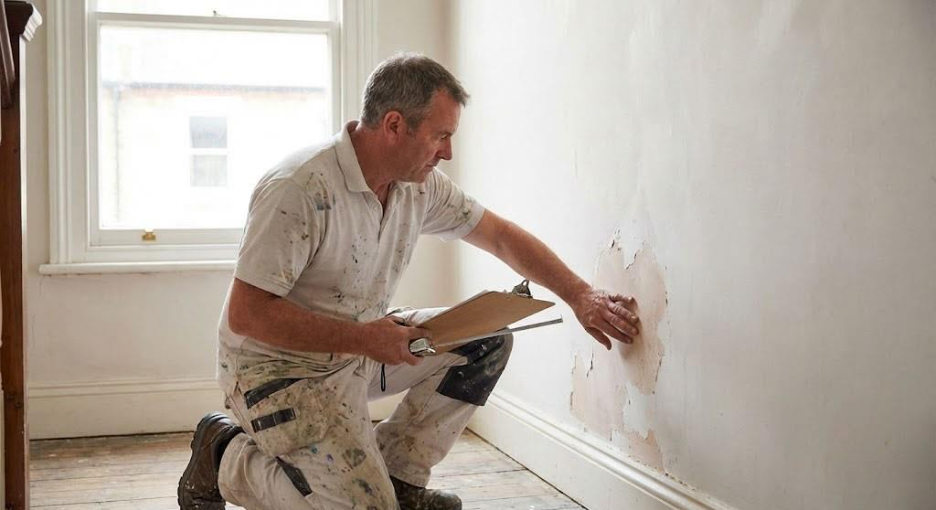
This is the big one. You reckon your walls are fine—just need a lick of paint. But when a pro comes round, they're seeing things you don't.
That tiny crack near the window? Might need an hour's work to sort properly. Previous owner painted over wallpaper? (Happens more than you'd think, honestly.) Now you're looking at stripping before you even start. Bit of a damp patch you thought was sorted? That'll need treating first, otherwise your new paint's bubbling off in six months.
Can't see any of this over the phone, can you?
The Colour Change Nobody Plans For
Right, so you want to paint over that ghastly burgundy feature wall with something nice and neutral. Two coats should do it, yeah?
Try four. Maybe five if you're unlucky.
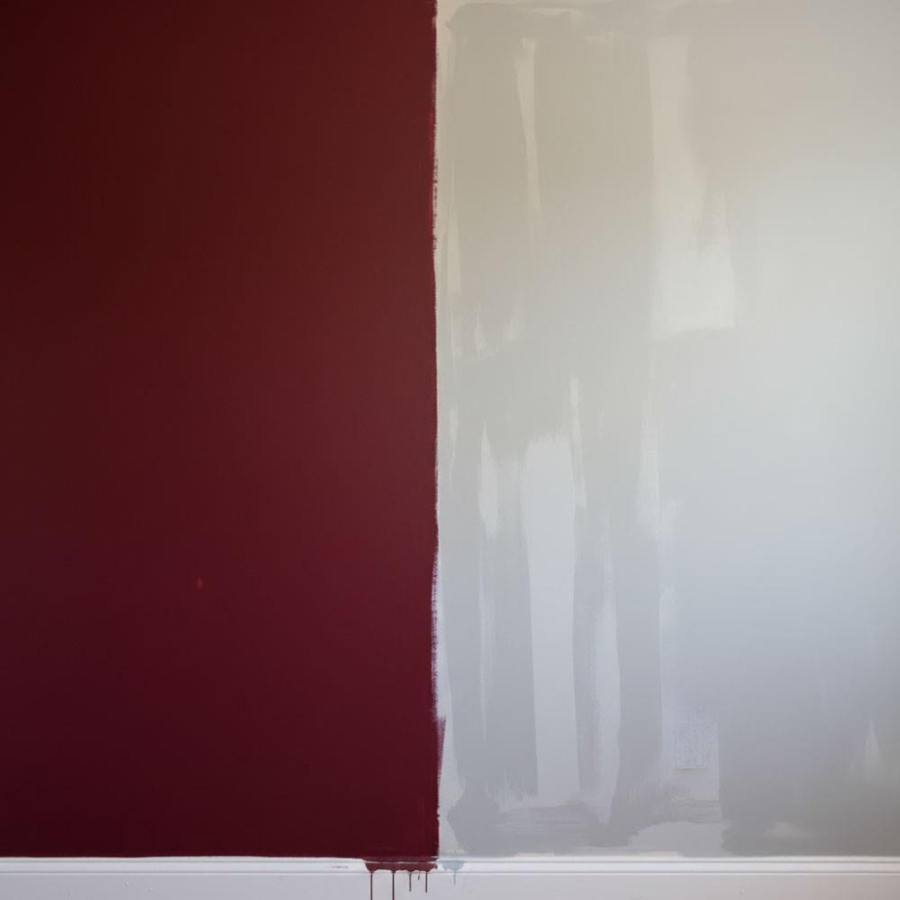
Dark colours are an absolute pain to cover. Same with those bright yellows or oranges that were trendy ages ago. The paint you're using matters too—cheap stuff needs more coats. None of this is obvious until someone's actually there looking at what you've got.
Not All Rooms Are Born Equal
Two bedrooms, both 3m by 4m. Should cost the same, shouldn't they?
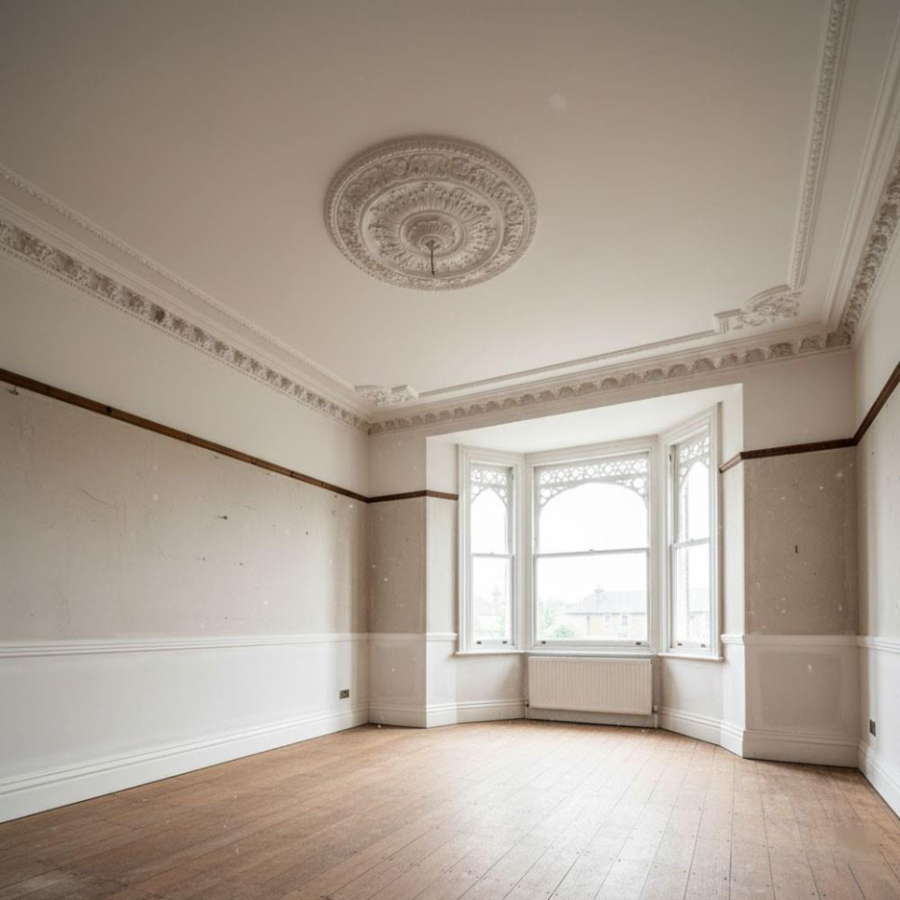
Except one's a new build with flat walls and standard everything. The other's got high ceilings, fancy coving, picture rails, a bay window with six separate frames. That second room takes literally three times as long.
Square footage doesn't tell the whole story. It never does.
The Boring Bit That Takes Forever
Here's what most people don't get: painting's actually the quick part. It's all the prep that kills you.
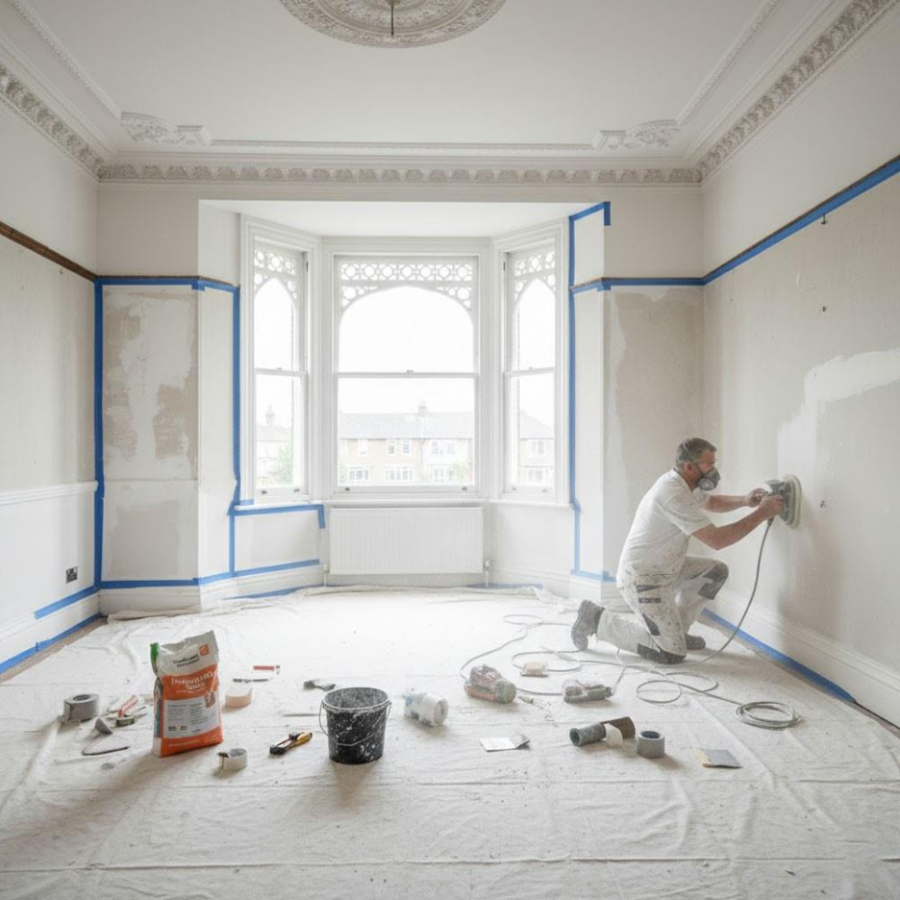
Washing walls down, filling every little hole, sanding everything smooth, masking off what you don't want painted, protecting floors and furniture... this is where the time goes. On most jobs, prep takes longer than painting. Easy.
And you can't tell how much prep's needed without being there. That "just a few marks" you mentioned over the phone? Could be a couple of hours' work or a couple of days. No way to know without looking.
Why Phone Quotes Are Rubbish For Everyone
The Price Goes Up (And You Feel Mugged)

Someone quotes you £300 on the phone. Brilliant, sorted. They turn up, realise it's way more work, and suddenly it's £3,500. You feel like you've been had, even though you never actually had a proper quote in the first place.
Or—and this is worse—they stick to the £600 and do a rush job to break even. Your paint starts peeling in six months and they're not answering your calls anymore.
Cowboys Win The Work
When everyone's guessing prices, the lowest guess gets the job. Which means the person who's most wrong about how much work is involved ends up doing it.
They lose money, you get shoddy work. Meanwhile, the decent painters who actually know what they're doing can't compete because they're being honest about the price.
Whole thing's backwards.
Padding Makes You Overpay
If a painter quotes without seeing the job, they've got to assume the worst. Otherwise they risk losing money.
So your perfectly fine walls get priced like they're falling apart. You end up paying for problems you don't have. Great system, that.
What Happens During A Proper Visit

When a good painter comes round, they're not just having a quick butcher's and making up a number. There's actual work involved.
They'll measure everything. Check the walls properly—running hands over them, tapping about, seeing what's sound and what's not. Work out how many coats you'll need based on the colours involved. Figure out access, where they can set up, what needs protecting.
They'll also chat to you about what you actually want. Paint quality (there's a huge range), whether you want ceilings done, woodwork, timing, all that.
End result? A proper estimate that covers what's included, what it'll cost, how long it'll take. No surprises later.
What This Actually Means For You
You Pay For What You Need
Accurate quote means you're not paying for imaginary worst-case problems. You're also not getting a lowball price that means corners get cut later.
The painter can afford to do it properly. Decent prep time, quality materials, not rushing to make up for underquoting. Your paint job actually lasts.
You Know What You're Getting
Is the ceiling included? Woodwork? How many coats? What about filling and repairs?
All of this gets written down. No arguments later about what was "obviously" included or what you "should have known" was extra.
You Can Actually Compare
Get three proper estimates and you can see what each one offers. Not just three random numbers—actual breakdowns of what's included, what materials they're using, how long it'll take.
Sometimes the cheapest is fine. Sometimes it's taking liberties. Usually, the middle one's about right. But you need proper quotes to tell.
Red Flags Worth Knowing
Be careful of:
- Anyone quoting without visiting (obvious by now)
- Prices way lower than everyone else
- Vague "we'll sort it" descriptions
- No written estimate
- Wanting loads of money upfront
- Can't show you insurance
The painting trade has been around since the 13th century in Britain. Proper painters know their reputation matters more than any single job.
How To Make It Easier
Before they visit: Clear the rooms so they can actually see what they're quoting for. Make a note of any issues you know about.
When they're there: Point out problems. Ask questions. Make sure you understand what they're saying. If something sounds weird, ask why.
After you get quotes: Read the whole thing, not just the total at the bottom. If something's unclear, ring them. Better now than halfway through the job.
The Actual Bottom Line
Painters who won't quote over the phone aren't being difficult. They're being professional.
Yeah, it takes a bit more time upfront. You've got to arrange visits, maybe take time off work, have the same conversation a few times with different people. It's a faff.
But that faff saves you from much bigger problems later. You get honest prices from people who know what they're doing, for work that'll actually be done properly.
Next time someone says they need to see the place first, that's not a red flag—it's actually a good sign. Means you're dealing with someone who knows what they're about.
Need a proper quote from someone who actually knows what they're doing? Check out Emporium Decorators—they do it right from the start.
Preparing your home properly before professional decorators arrive can make the entire project smoother, faster, and far more cost-effective. Many homeowners in West Yorkshire, North Yorkshire, and surrounding regions often overlook these essential steps—but preparation is one of the biggest factors that affects the final quality of your interior finish.
Whether you’ve booked Emporium Decorators for interior painting, wallpaper hanging, or a full home refresh, this guide explains everything you need to know to get your home ready.
Why Preparation Matters Before Painting
Professional painters can transform a room—but the results depend heavily on how well the space is prepared beforehand. Proper preparation ensures:
- Faster project completion
- Cleaner, sharper finishes
- Fewer disruptions to your daily routine
- Reduced risk of paint damage to your belongings
- Lower chances of delays caused by obstacles or surface issues
Good preparation also allows the decorators to focus on what they do best: delivering a beautiful, long-lasting result.
If you’re planning a repaint soon, explore our Interior Painting & Decorating service page for style ideas and inspiration.
1. Clear the Room as Much as Possible
Before your decorators arrive, remove:
- Lamps
- Small furniture
- Plants
- Artwork
- Personal items
- Loose décor
- Curtains & small blinds (if easy to remove)
The more space your decorators have, the more efficiently they can work. Larger furniture can be moved to the centre of the room—your decorator will cover and protect it.
For examples of beautifully completed interiors, browse our Decorating Portfolio.
2. Remove Wall Hangings & Accessories
Take down:
- Picture frames
- Mirrors
- Shelves (if detachable)
- Wall clocks
- Decorative hooks
This prevents accidental damage and gives your painter full access to wall surfaces.
If you're planning a feature wall instead of standard paint, check out our Wallpaper Hanging Service.
3. Protect Valuable or Fragile Items
Even though professional decorators work carefully, it’s best to store delicate items somewhere safe, such as:
- Electronics
- Glass ornaments
- Family heirlooms
- Musical instruments
This avoids accidental bumps or dust exposure during preparation and sanding.
4. Make Surfaces Accessible
Painters may need to fill cracks, sand surfaces, or remove flaking paint. Ensure they have easy access to:
- Radiators
- Windowsills
- Skirting boards
- Door frames
- Built-in units
This preparation leads to a cleaner, more durable finish—an essential step in professional decorating.
5. Address Damp or Moisture Issues Early
Professional decorators can smooth, repair, and prepare surfaces—but issues like damp must be resolved in advance.
If you’re unsure whether your walls are ready, your decorator will assess them during the initial visit. Our team at Emporium Decorators frequently identify and advise clients on these issues during free quotations.
6. Plan Your Rooms Strategically
If you are decorating more than one room:
- Start with low-use rooms
- Move to living spaces
- Leave the kitchen last (due to daily use)
A properly planned schedule reduces disruption and ensures your home stays functional throughout the project.
If you want inspiration on multi-room transformations, visit our Flat Refurbishment in Leeds project.
7. Ensure Children & Pets Are Safe
Paint, dust, and tools can be hazardous. Create a safe area for:
- Pets
- Children
- Elderly household members
This keeps everyone safe and avoids disruptions during work.
8. Discuss Paint Colours Before Work Begins
Choosing colours on the day slows down the project. Instead:
- Ask for advice from your decorator
- Use sample pots or digital visualisers
- Consider natural and artificial light
- Test at least three patches on each wall
For expert guidance, read our helpful blog:
👉 How to Choose the Right Colour Scheme for Any Room
9. Plan for Ventilation
During painting, decorators often keep windows open for proper airflow and faster drying. Ensure windows can:
- Open fully
- Stay open safely
- Allow painters to work without risk
If ventilation is a concern, let your painter know beforehand.
10. Be Available for the First & Last 30 Minutes
You don’t need to be home for the entire project—but painters often need you during:
- Arrival: to confirm colours, finishes, and access
- Completion: to inspect and approve the work
Clients appreciate this structure because it ensures transparency and satisfaction.
To book a visit, contact us anytime:
👉 Contact Emporium Decorators
Final Tips from Professional Decorators
Here are quick additional tips homeowners often overlook:
- Unplug non-essential electronics
- Move cars/vans for easier material unloading
- Give your decorator clear access through hallways
- Inform neighbours (especially in terraces or flats)
Small actions like these lead to a faster, smoother project.
Why Preparation Leads to Better Results
When clients prepare their homes, decorators can:
- Start work immediately
- Complete projects faster
- Focus on precision and detail
- Deliver longer-lasting finishes
If you're considering updating more than one area, browse our other services:
Conclusion
Preparation isn’t just a helpful step—it’s a crucial part of achieving a premium finish. By following this guide, you’ll make your decorating project smoother, faster, and more enjoyable, with results that last for years.
If you’re ready to transform your home in West Yorkshire, North Yorkshire, or surrounding areas, Emporium Decorators is here to help.
Explore our work:
👉 Our Work Page
When it comes to refreshing your home, painting seems like the simplest DIY job — until things go wrong. Uneven brush strokes, peeling walls, patchy colours and messy edges are all far more common than most homeowners realise.
At Emporium Decorators, we’ve spent years fixing these issues for clients across West Yorkshire, North Yorkshire, and beyond. This guide breaks down the 10 most common painting mistakes people make and how to avoid them, so you can understand what separates a quick DIY job from a professional finish.
1. Skipping Proper Surface Preparation
Preparation is the foundation of a quality finish. Many homeowners skip sanding, filling cracks, cleaning walls, or applying the correct primer.
Why it matters:
Paint cannot adhere properly to a dirty, glossy or uneven surface. This leads to peeling, cracking, and visible imperfections.
Avoid the mistake:
- Clean surfaces thoroughly
- Fill holes and cracks
- Sand glossy areas
- Prime where necessary
For expert-level preparation, explore our Interior Painting & Decorating service.
2. Using Low-Quality Paint or Tools
Cheap brushes shed bristles. Low-quality rollers leave texture marks. Budget paint requires more coats and fades quicker.
Avoid the mistake:
Invest in trade-quality brushes, rollers and paints — or let professionals handle it.
3. Choosing Colours Without Testing
Lighting dramatically changes how paint looks. Many homeowners pick a colour from a brochure and regret it after painting the entire room.
Avoid the mistake:
Test sample patches on multiple walls and observe them at different times of day.
You can also read our blog on colour planning:
👉 How to Choose the Right Colour Scheme for Any Room
4. Painting Over Damp or Mould
This is a major issue in older UK homes. Painting over damp hides the problem temporarily — but it always returns.
Avoid the mistake:
Identify the source of moisture first. Damp-proofing may be needed before painting.
5. Overloading the Brush or Roller
Thick, overloaded tools cause drips, streaks and uneven coverage.
Avoid the mistake:
Use thin, even coats and allow proper drying time between layers.
6. Ignoring Cutting-In Techniques
Cutting in (the technique used around edges and corners) requires skill. DIY attempts often result in wavy or messy edges.
Avoid the mistake:
Use painter’s tape or hire a professional for sharp, clean lines.
7. Painting Too Quickly
Rushing leads to visible start-and-stop marks, roller lines, and inconsistent texture.
Avoid the mistake:
Paint steadily and maintain a "wet edge" to avoid overlap marks.
8. Poor Timing and Weather Conditions
Even indoor painting is affected by temperature and humidity. Too warm? The paint dries too fast. Too cold? It won’t cure properly.
Avoid the mistake:
Plan painting projects during stable conditions and ensure proper ventilation.
9. Using the Wrong Paint Finish
Choosing between matte, eggshell, satin or gloss isn’t just about preference — each serves a purpose.
Avoid the mistake:
- Kitchens & bathrooms: moisture-resistant satin
- High-traffic areas: wipeable eggshell
- Ceilings: flat matte
- Woodwork: durable gloss or satinwood
Let our experts guide you with the right choices during a consultation.
10. Underestimating the Time & Skill Needed
Painting seems simple until you start. Proper decorating demands patience, control and experience — something homeowners often don’t have time for.
Avoid the mistake:
If you want long-lasting, flawless results, hiring professionals like Emporium Decorators is the best investment you can make.
👉 Contact Us for a free quote.
Why These Mistakes Cost More in the Long Run
DIY errors lead to:
- Wasted paint
- Damaged walls
- Uneven coverage
- Peeling within months
- Repair costs that exceed the price of hiring professionals
A skilled decorator delivers:
- Cleaner finishes
- Longer-lasting results
- Enhanced property value
- Faster completion times
- Less disruption to your daily life
Explore our gallery to see the difference:
👉 View Our Work
When Should You Call a Professional Painter?
You should consider hiring a professional when:
- Walls need repairs, sanding or heavy preparation
- You want high-end finishes
- You’re painting multiple rooms
- You’re decorating rental or commercial property
- You want a long-lasting, flawless finish
Our team covers:
Leeds, Bradford, Wakefield, Halifax, Huddersfield, Dewsbury, York, Harrogate, Ripon, Knaresborough and surrounding areas.
Final Thoughts
Painting your home should enhance the look and feel of your space — not create stress or disappointment. By avoiding these common mistakes (or by hiring experts), you’ll enjoy a smooth, clean, professional result that lasts for years.
Many homeowners ask the same question before planning a refresh:
“How long will my interior paint last before I need to repaint?”
The answer isn’t always straightforward — because it depends on the type of room, the amount of wear and tear, the quality of materials, and how well the painting was done in the first place.
At Emporium Decorators, we’ve carried out interior painting projects across West Yorkshire, North Yorkshire, and the wider UK, giving us years of real-world insight into what actually affects paint lifespan in British homes. This detailed guide explains everything you need to know so you can plan decorating work confidently and avoid unnecessary repainting costs.
⭐ What Is the Average Lifespan of Interior Paint?
In most UK homes, interior paint typically lasts:
| Area of the Home | Average Lifespan |
| Living Room | 5–7 years |
| Bedrooms | 5–7 years |
| Hallways | 3–5 years (high traffic) |
| Kitchens | 3–4 years |
| Bathrooms | 2–3 years (steam & moisture) |
| Ceilings | 7–10 years |
| Woodwork (doors, skirting) | 5–8 years |
These numbers change depending on preparation, paint quality, lifestyle, and environmental conditions.
For long-lasting results, see our Interior Painting & Decorating Service.
⭐ What Affects How Long Paint Lasts?
1. Quality of the Paint Used
Cheaper, low-grade paints fade, mark, and peel far faster.
Professional decorators use trade-quality paints designed to last longer, resist stains, and hold colour better.
2. The Room’s Usage Level
Hallways take more knocks. Bathrooms face steam. Kitchens face grease.
Lifestyle factors have a huge impact on how quickly walls deteriorate.
3. Sunlight Exposure
Rooms with large windows or direct sunlight may see fading sooner — especially bright colours.
4. Surface Preparation
Poor prep is one of the main reasons walls need repainting early.
Filling cracks, sanding, priming, and cleaning walls make a dramatic difference to paint longevity.
Learn more about preparation mistakes in our blog:
👉 10 Painting Mistakes Homeowners Make (replace with actual article URL when published)
5. Ventilation & Moisture Levels
Moisture is particularly damaging to paint. Bathrooms and kitchens tend to lose their finish faster due to steam, condensation, and damp.
⭐ Signs It’s Time to Repaint Your Interior Walls
If you notice any of these signs, it may be time to refresh your walls:
- Fading or dull colour
- Stains that won’t wash off
- Peeling or bubbling paint
- Hairline cracks or flaking
- Water marks
- Grease or smoke stains
- Scuffs and dents from daily use
- Yellowing (often on old woodwork or ceilings)
Not sure whether repainting is needed? Book a free inspection through our Contact Page.
⭐ How to Make Your Paint Last Longer
✔ Use high-quality trade paint
Cheaper paints require more coats and don’t hold up over time.
✔ Keep rooms properly ventilated
Especially bathrooms and kitchens — moisture is the enemy of paint.
✔ Clean walls gently
Avoid harsh chemicals; use soft cloths or warm soapy water.
✔ Repair minor damage early
Small cracks turn into bigger problems if ignored.
✔ Consider washable or scrubbable paint
Ideal for hallways, children’s rooms and busy households.
✔ Choose the right finish
For example, matte is great for hiding imperfections but satin or eggshell resist moisture better.
⭐ Should You Hire a Professional Decorator?
Hiring a professional ensures:
- Proper preparation
- Even, consistent colour
- Durable, long-lasting results
- Clean edges and sharp cutting-in
- Faster completion with less disruption
Explore real projects completed in your area:
👉 Painting & Decorating in Dewsbury
👉 Flat Refurbishment in Leeds
👉 Retail Interior Design in Bradford
⭐ How Often Should UK Homes Be Repainted?
Here’s a general guideline:
- Every 5–7 years: Main living areas
- Every 3–5 years: Hallways & busy areas
- Every 3–4 years: Kitchens
- Every 2–3 years: Bathrooms
- Every 7–10 years: Ceilings
- Every 5–8 years: Woodwork
If you’re preparing a home for sale or rental, repainting is one of the quickest ways to increase appeal and value.
⭐ Final Thoughts
Interior paint doesn’t last forever — but when applied professionally with the right materials, it can maintain its beauty for many years. Whether it’s a hallway that needs refreshing or a full home transformation, a well-planned repaint can rejuvenate your living space, brighten your interiors, and increase the overall value of your home.
If you’re ready to transform your home with long-lasting results, get in touch with Emporium Decorators for a free quotation.
Introduction
As we step into 2025, interior design continues to evolve, bringing fresh ideas and exciting trends to the forefront. Whether you’re planning a full renovation or just a small update, staying on top of these trends can help you create a stylish and functional home that aligns with current design preferences. In this article, we’ll highlight the top 5 interior design trends that UK homeowners are embracing in 2025.
From eco-friendly materials to bold colors, these trends offer something for every style and budget. Let’s take a closer look at the most popular interior design trends sweeping the UK in 2025 and how you can incorporate them into your home.
1. Sustainability and Eco-Friendly Design
With environmental awareness at an all-time high, sustainability is no longer just a buzzword—it’s a necessity. In 2025, UK homeowners are increasingly prioritizing eco-friendly interior design. This includes using sustainable materials, energy-efficient lighting, and incorporating natural elements to reduce environmental impact.
Key Features:
- Natural Materials: Homeowners are choosing materials like bamboo, recycled wood, and natural stone to create beautiful and sustainable spaces.
- Energy-Efficient Appliances: From smart thermostats to low-energy lighting, homeowners are opting for products that reduce their carbon footprint.
- Indoor Plants: Adding greenery not only improves air quality but also brings a calming effect to any room.
By choosing eco-friendly materials and designs, you’ll be contributing to a healthier planet while also enjoying a stylish and contemporary home.
View Our Sustainable Interior Design Services
2. Bold Colors and Statement Walls
In 2025, UK homeowners are stepping away from minimalist neutral tones and embracing bold, vibrant colors. Statement walls are making a huge comeback, with deep hues like navy blue, emerald green, and burnt orange becoming popular choices for accent walls.
Key Features:
- Rich, Moody Shades: Bold, dark colors such as deep navy and charcoal are being used to create a dramatic focal point in living rooms, bedrooms, and kitchens.
- Contrasting Tones: Combining complementary colors like mustard yellow and teal adds energy and vibrancy to any room.
- Textured Walls: Homeowners are incorporating textures like faux brick and paneling to create visual interest and depth.
By incorporating these bold hues into your interior design, you can add personality and sophistication to your space without overwhelming it.
See Our Flat Refurbishment Projects in Leeds
3. Multi-Functional Spaces
As living spaces become more compact and versatile, multi-functional rooms are on the rise. Homeowners are increasingly seeking ways to maximize their available space, whether it’s converting a guest room into a home office or creating an open-plan living area that serves multiple purposes.
Key Features:
- Home Offices: With the rise of remote work, creating a productive, stylish home office is a priority for many homeowners.
- Flexible Furniture: Pieces that can be easily moved or transformed—such as fold-out desks, extendable dining tables, and modular sofas—are gaining popularity.
- Open-Plan Living: Removing unnecessary walls and opening up spaces to create flexible zones is a growing trend in 2025.
Creating a space that serves multiple functions is ideal for homeowners who want to maximize their living areas without compromising on style.
Explore Our Commercial Refurbishment Services
4. Technology-Integrated Homes
Smart homes are becoming the new standard, with technology-integrated interior design playing a central role in the homes of 2025. Homeowners are increasingly investing in smart technology that enhances convenience, security, and energy efficiency.
Key Features:
- Smart Lighting: Automated lighting systems that can be controlled by voice or smartphone are becoming a staple in modern homes.
- Smart Thermostats: Devices like Nest allow homeowners to regulate their home’s temperature remotely, ensuring comfort and energy efficiency.
- Home Security: Smart locks, cameras, and alarm systems provide added security while integrating seamlessly with home design.
By incorporating smart technology into your home, you not only improve functionality but also add a futuristic touch to your living space.
Check Out Our Residential Painting & Decorating Services
5. Vintage and Retro Influences
Nostalgia is making a comeback, with homeowners in the UK embracing vintage and retro design elements in their interiors. Whether it’s mid-century modern furniture, vintage light fixtures, or retro wallpaper, adding old-school charm is a popular way to create character and warmth in a space.
Key Features:
- Vintage Furniture: Investing in statement pieces like a retro-style armchair or a mid-century modern coffee table adds personality to any room.
- Retro Color Schemes: The use of muted pastels, mustard yellow, and burnt orange gives rooms a vintage feel while staying modern.
- Classic Patterns: Geometric patterns, floral designs, and retro wallpaper are making a resurgence, offering a fun way to add visual interest to your space.
Integrating vintage influences into your interior design brings a sense of nostalgia while maintaining a contemporary edge.
View Our Retail Interior Design Projects in Bradford
Conclusion
As we look ahead to 2025, these interior design trends are shaping the way homeowners in the UK are designing their spaces. From sustainability and eco-friendly choices to bold colors and multi-functional spaces, these trends offer a range of options to update and enhance your home. Whether you're looking to create a sleek, modern interior or add some vintage charm, these trends provide the inspiration you need to make your home stylish and functional.
By incorporating these design trends into your home, you can stay ahead of the curve and create a space that reflects your personality and lifestyle.Contact Us Today for Your Next Interior Design Project
Introduction
When it comes to painting & decorating your home, the choice between interior painting and exterior painting may seem straightforward. However, there are several key differences that every homeowner should know to ensure the best results for their property. Understanding these distinctions can help you make informed decisions about the right type of paint, techniques, and timing for your project.
In this guide, we’ll walk you through the key differences between interior and exterior painting, highlighting important factors such as paint types, surface preparation, durability, and maintenance. Whether you’re refreshing your living room or giving your house’s exterior a makeover, knowing these distinctions will help ensure that your project lasts and looks great for years to come.
What Is Interior Painting?
Interior painting involves painting the walls, ceilings, trim, and other surfaces inside your home. This type of painting primarily focuses on aesthetic appeal and creating a pleasant, inviting atmosphere within your home. Here’s what you should know about interior painting:
- Paint Types: Low-VOC (Volatile Organic Compounds) or Zero-VOC paints are commonly used for interior painting to improve indoor air quality. You’ll also find finishes like matte, eggshell, satin, and semi-gloss, each offering different looks and functionalities.
- Surface Preparation: Preparing walls for interior painting typically involves cleaning, patching up cracks, and sometimes sanding the surfaces. The goal is to ensure smooth, even surfaces for the paint to adhere to.
- Durability: While interior paints offer good durability, they are designed for indoor conditions, which means they are less resistant to the wear and tear caused by weather conditions compared to exterior paints.
- Maintenance: Interior paint usually requires less frequent touch-ups, but areas that are prone to high traffic (like hallways or kitchens) might need more maintenance over time.
For more details on interior painting & decorating services in your area, check out our Interior Painting & Decorating Service.
What Is Exterior Painting?
Exterior painting refers to painting the outside of your home or building. This type of painting not only enhances your property’s curb appeal but also acts as a protective layer against various elements. Here’s what makes exterior painting distinct:
- Paint Types: Exterior paints are specially formulated to withstand outdoor elements like UV rays, rain, and humidity. These paints are often weather-resistant, mildew-resistant, and UV-protective. Popular finishes include satin, semi-gloss, and gloss, providing a shiny finish that repels dirt and moisture.
- Surface Preparation: Exterior painting involves more intensive preparation. This may include power washing to remove dirt and mildew, scraping off peeling paint, and applying a coat of primer to improve paint adhesion and durability. Proper surface prep ensures the paint will last longer and provide better protection.
For more information on exterior painting services in the Wakefield area, visit our page on Exterior Painting Services.
- Durability: Exterior paints are designed for high durability. They are engineered to resist cracking, fading, and peeling due to exposure to sunlight, rain, wind, and fluctuating temperatures.
- Maintenance: While exterior paints are more durable, they still require regular maintenance due to the constant exposure to the elements. On average, you may need to repaint your home’s exterior every 5-7 years, depending on the climate and paint quality.
Key Differences Between Interior and Exterior Painting
- Materials & Paint Types:
- Interior Paints: Usually have low VOC content, ideal for indoor environments where ventilation may be limited. The finishes range from matte (non-reflective) to satin (moderate shine).
- Exterior Paints: Made to endure the elements, exterior paints contain special additives for mildew resistance, UV protection, and water resistance.
- Surface Preparation:
- Interior: Involves light cleaning and patching of cracks and holes in drywall or plaster.
- Exterior: Requires more intensive preparation, including pressure washing, scraping, and priming, to create a durable surface.
For examples of our flat refurbishments or retail interior designs, check out our Flat Refurbishment in Leeds and Retail Interior Design in Bradford.
- Durability:
- Interior: Focuses on aesthetic appeal. Though durable, interior paints are not designed to withstand the outdoor elements.
- Exterior: Built to endure harsh weather conditions and protect the home’s structural integrity.
- Application Techniques:
- Interior: Typically involves rolling or brushing the paint. The technique is fairly simple and can be done with little specialized equipment.
- Exterior: May require specialized tools like sprayers for smooth, even coverage. The application is often more detailed to ensure full coverage and durability.
- Longevity:
- Interior: Interior painting typically requires fewer touch-ups and can last longer between repaints.
- Exterior: Exterior paints need more frequent maintenance due to the wear caused by weather exposure.
For commercial refurbishment services, check out our Commercial Refurbishment Services.
Choosing Between Interior and Exterior Painting
Now that you understand the key differences, how do you decide which type of painting to focus on for your next project? Here are a few tips to guide you:
- If you’re painting inside your home, consider interior paint that is low on VOCs for health and air quality. Choose a finish that complements your home’s interior design and is easy to clean.
- If you’re painting your home’s exterior, opt for weather-resistant paints that can withstand the elements. Be sure to choose a finish that not only looks great but also protects your home from the damaging effects of rain, wind, and UV rays.
To learn more about decorating solutions for your home or business, visit our Decorating Portfolio.
- Consult a professional to ensure you’re selecting the right paint for your project. Whether it’s interior painting or exterior decorating, experts can help guide you through the selection process and ensure a flawless finish.
Why Professional Painters Are Important for Both Interior and Exterior Projects
While DIY painting might seem appealing, there are many benefits to hiring a professional decorating contractor:
- Expertise: A professional painter brings years of experience, helping you avoid mistakes and achieve high-quality results.
- Time-saving: Professional painters can complete the project in a fraction of the time it would take you, with less disruption to your daily life.
- Durability: Professionals use high-quality paints and materials, ensuring the finish lasts for years, reducing the need for touch-ups.
- Peace of mind: Knowing the job is done correctly, safely, and in line with industry standards can bring you peace of mind.
If you’re ready to get started with your project, Contact Us Today.
Both interior and exterior painting have their own unique challenges and benefits. Whether you’re enhancing the inside of your home or protecting its exterior, understanding the differences between the two will help ensure a successful project. For the best results, consider consulting a professional to ensure that your interior or exterior painting project is completed efficiently and beautifully.
Bringing Style, Comfort, and Personality into Your Home This Year
The world of interior decorating is constantly evolving, and in 2025, UK homeowners are embracing a bold yet balanced approach to design. Whether you're planning a full-scale renovation or simply want to refresh a room, these top five trends will help you create spaces that feel both stylish and personal.
1. Earthy Neutrals with a Modern Twist
While white and grey remain timeless, 2025 is seeing a shift towards richer, earthy neutrals like clay, sand, olive, and rust. These tones create warmth and depth, especially when used on feature walls or as a base for textured accents.
At Emporium Decorators, we often pair these hues with natural wood finishes, woven textiles, and minimalist décor to achieve a grounded yet contemporary look.
2. Statement Ceilings and Walls
Wallpaper isn’t just for feature walls anymore—it's moving up! UK homeowners are increasingly decorating their ceilings to add drama and dimension to rooms. From botanical prints to geometric designs, statement ceilings are a powerful way to make any space memorable.
Looking for help with wallpaper installation? Get in touch with our decorating experts for a bespoke solution.
3. Sustainable Materials and Eco-Friendly Design
Sustainability is more than a trend—it's a lifestyle. In 2025, British consumers are choosing eco-conscious interiors, from reclaimed wood furniture to low-VOC paints and natural fibre rugs.
Emporium Decorators proudly uses eco-friendly materials wherever possible. If you’re planning a residential renovation, ask us how we can reduce your carbon footprint while enhancing your style.
4. Layered Textures for Depth and Comfort
Layering different textures—from velvet cushions to jute rugs and matte wall finishes—is a key trend this year. This approach adds visual interest and a feeling of warmth to both minimalist and maximalist spaces.
Our team specialises in combining fabrics, finishes, and materials that elevate the feel of any room. Request a free quote today and let us bring your vision to life.
5. Multifunctional Spaces and Home Zoning
With hybrid working here to stay, homes are adapting to serve more than one purpose. In 2025, clients are requesting stylish dividers, custom cabinetry, and colour-coded zones to separate work and relaxation areas—especially in open-plan living spaces.
We’ve helped countless homeowners in London and beyond design rooms that are practical, beautiful, and tailored to modern lifestyles.
Final Thoughts
Whether you're updating a single room or revamping your entire home, these 2025 trends offer plenty of inspiration. At Emporium Decorators, we combine creativity, expertise, and attention to detail to turn your ideas into reality.
Ready to start your decorating journey? Contact us today or explore our portfolio to see how we can help you transform your space.
Save Time, Avoid Mistakes, and Achieve the Perfect Finish with Expert Help
When it comes to home improvement, the temptation to DIY can be strong. However, hiring a professional decorator can often make the difference between a good result and a truly exceptional one. At Emporium Decorators, we’ve helped hundreds of homeowners across London and the South East avoid costly errors while transforming their living and working spaces beautifully.
Here are 7 compelling reasons why investing in a professional decorator is well worth it:
1. Expert Advice Tailored to Your Space
Every room has its own character—and challenges. Whether it’s natural lighting, awkward corners, or outdated fixtures, a professional decorator knows how to bring out the best in your space. We consider layout, proportions, style preferences and function before recommending any solutions.
Not sure where to begin? Book a free consultation and let us guide you from concept to completion.
2. Flawless Finishes You Can’t DIY
There’s a reason decorators spend years perfecting their craft. From smooth walls and precise paint lines to expertly applied wallpaper and custom fittings, the quality of workmanship from a pro simply can’t be matched by DIY efforts—especially in high-end or heritage properties.
Check out our services page to see what we specialise in.
3. Saves You Time and Stress
DIY decorating often takes longer than expected. Between juggling materials, researching techniques, and fixing mistakes, you could spend weeks on what a pro can do in days. Hiring a qualified team means your project is completed efficiently, with minimal disruption to your daily life.
4. Access to Trade-Only Products and Tools
As professional decorators, we have access to premium, trade-only products that aren’t available in standard retail shops. Whether it’s designer wallpaper, long-lasting paint, or specialist tools, we use the best materials for a durable, high-end finish.
5. Cost-Effective in the Long Run
While hiring a decorator might seem like an added expense, it can actually save you money. How? By avoiding wasted materials, costly redos, and rushed decisions that lead to disappointment. Professional decorators plan ahead, work with precision, and ensure every pound you spend adds long-term value to your property.
6. Comprehensive Project Management
Decorating isn’t just about painting—it involves planning, measuring, sourcing, and managing timelines. At Emporium Decorators, we handle every stage of the process so you don’t have to. From initial site visits to the final clean-up, we ensure a smooth, stress-free experience.
7. Boost Your Home’s Value and Appeal
Whether you're preparing to sell, renting out your property, or simply upgrading your lifestyle, a professional finish can significantly improve visual appeal and resale value. Stylish, well-executed interiors attract attention—and buyers.
Looking to increase property value? Contact us today for expert advice tailored to your goals.
Final Word
Decorating your home is a personal journey—but it doesn't have to be a stressful one. With the right professional support, you can enjoy beautiful, practical results that reflect your taste and add value to your home.
A Practical Guide to Colour, Mood, and Design Harmony in Your Home
Choosing a colour scheme is one of the most important steps in interior decorating. The right palette can completely transform a room—adding light, warmth, personality, or sophistication. But with thousands of shades to choose from, where do you begin?
At Emporium Decorators, we guide homeowners across London and the South East in choosing colours that feel both timeless and personal. Here's a step-by-step guide to help you create a space that reflects your style while complementing your home.
1. Consider the Room’s Purpose
Before selecting colours, think about how the space is used. Bedrooms typically benefit from calm, soothing tones like soft blues or warm neutrals. Living areas can support bolder hues, while kitchens and bathrooms often lean towards clean, bright colours.
Ask yourself:
- Do you want to feel energised or relaxed in this room?
- Is it for entertaining, working, or resting?
2. Start with a Base Colour You Love
Begin with one central colour that you genuinely like and can live with long-term. This could be the shade of your favourite cushion, a paint swatch, or an element of your existing décor.
Once your base colour is chosen, we help clients build around it by adding complementary tones, contrast shades, and texture-enhancing neutrals.
Need help creating a balanced palette? Contact us for expert colour consultancy.
3. Use the 60-30-10 Rule
A tried-and-tested formula in design is the 60-30-10 rule:
- 60% – dominant colour (usually walls or large furnishings)
- 30% – secondary colour (fabrics, furniture, feature walls)
- 10% – accent colour (artwork, cushions, accessories)
This method ensures the space feels cohesive, not cluttered. Our decorating services often follow this principle for beautifully layered results.
4. Take Lighting into Account
Lighting—natural and artificial—has a huge impact on how colours appear. North-facing rooms may feel cooler and benefit from warmer tones. South-facing rooms can handle bolder, cooler shades.
Always test paint samples on your walls and observe how they look at different times of the day.
5. Consider Your Home’s Overall Flow
When choosing colours, don’t view each room in isolation. Think about how one space flows into the next. This is especially important in open-plan homes or properties with connected hallways and staircases.
We often recommend creating a core colour palette that’s echoed throughout the home, creating continuity while allowing for variation in individual rooms.
6. Accent with Texture and Finish
Colour isn't just about paint—fabrics, flooring, and finishings play a vital role. Matte, gloss, and satin finishes all reflect light differently. Combine colour with textured materials like linen, wood, or velvet for a layered, luxurious feel.
We help clients coordinate textures and tones to bring out the full potential of their chosen palette. Get a free quote today to start planning your design.
7. Don’t Be Afraid of Bold Choices—In Moderation
A statement wall in navy, forest green, or even charcoal can add drama and character—if used wisely. Balance bold colours with neutral backgrounds and softer textiles.
Our team at Emporium Decorators can help you find the perfect balance between bold and beautiful.
Final Thoughts
Colour can influence your mood, enhance your lifestyle, and add significant value to your property. Whether you're redecorating a single room or reimagining your entire home, choosing the right palette is key to creating a space you love.
Looking for colour inspiration or design support? Reach out to Emporium Decorators today for professional guidance and a personalised decorating experience.
Elegant Interiors Don’t Have to Come with a High Price Tag
Dreaming of a home refresh but working with a limited budget? You’re not alone. At Emporium Decorators, we believe great design is possible at every price point. Whether you're updating a single room or your entire home, smart changes can make a major difference—without breaking the bank.
Here are 6 clever, cost-effective decorating ideas that offer big impact without a hefty investment.
1. Create a Feature Wall with Paint or Wallpaper
You don’t have to redecorate an entire room to make a statement. A single feature wall can transform the space, draw the eye, and add personality. Choose a bold colour, patterned wallpaper, or even a mural for a standout effect.
We offer professional wallpaper installation and paint services for a flawless finish—perfect for landlords, sellers, or savvy homeowners.
2. Upgrade Lighting Fixtures
Lighting changes everything. Swap out outdated ceiling lights or table lamps for stylish modern alternatives. Layer your lighting by mixing ambient (ceiling), task (reading), and accent (wall or floor) lights.
Warm LED bulbs not only create a cosy atmosphere but also save on energy bills in the long run.
3. Refresh with Paint – Even on Furniture
A fresh coat of paint is one of the most affordable ways to refresh your home. But don’t stop at walls—repainting tired furniture, kitchen cabinets, or stair bannisters can breathe new life into your interiors.
Want professional help for that perfect finish? Get in touch with our decorators today.
4. Use Mirrors to Expand and Brighten
Mirrors can make a small space appear larger and more inviting. Place a large mirror opposite a window to reflect natural light or group smaller mirrors as a decorative wall feature.
They’re affordable, practical, and visually impactful—especially in hallways, bedrooms, and bathrooms.
5. Rearrange Furniture for Better Flow
Sometimes the best design change costs nothing at all. Experiment with furniture layout to improve room flow and functionality. Even small changes—like pulling sofas away from walls or repositioning the dining table—can dramatically change how the space feels.
Our design consultation team can help you reimagine any room layout. Request a quote for layout advice or staging support.
6. Accessorise with Textiles and Artwork
Swap out old cushions, rugs, or curtains for new textures and patterns. Add a gallery wall with affordable prints or hang a large canvas to create a focal point. These small touches bring warmth, personality, and polish to any space.
Pro tip: Choose a consistent colour palette to tie everything together and maintain a cohesive look.
Final Thoughts
Decorating on a budget doesn’t mean compromising on quality or style. With a few smart changes, you can refresh your home, boost comfort, and even increase resale value. At Emporium Decorators, we help clients of all budgets make the most of their space.